
Articles
Sustainable Web Hosting: How Green Is Your Website?
As the world becomes more conscious of environmental issues, businesses are looking for ways to reduce their carbon footprint. One area often overlooked is web hosting. Websites, while virtual, have a very real environmental impact. The servers that host websites consume significant amounts of electricity, much of which comes from non-renewable sources. This post explores [...]
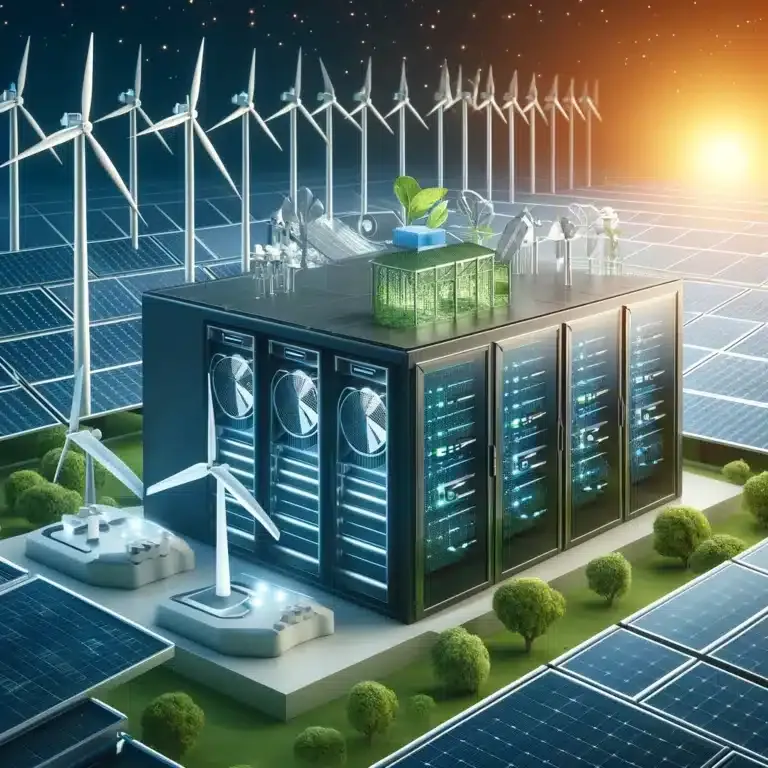
As the world becomes more conscious of environmental issues, businesses are looking for ways to reduce their carbon footprint. One area often overlooked is web hosting. Websites, while virtual, have a very real environmental impact. The servers that host websites consume significant amounts of electricity, much of which comes from non-renewable sources. This post explores the concept of sustainable web hosting and how you can make your website greener.
The Environmental Impact of Web Hosting.
The internet's infrastructure is vast and energy-intensive. Data centers, where servers are housed, require massive amounts of power not only to run the servers but also to cool them. According to some estimates, the global data center industry consumes about 2% of the world's electricity, a figure comparable to the aviation industry.
Understanding Sustainable Web Hosting.
Sustainable web hosting refers to hosting services that aim to minimize their environmental impact. This is achieved through various means such as using renewable energy sources, improving energy efficiency, and offsetting carbon emissions. Here are some key practices:
- Renewable Energy: Hosting providers may use wind, solar, or hydroelectric power to run their data centers.
- Energy Efficiency: Implementing advanced cooling techniques, optimizing server usage, and using energy-efficient hardware.
- Carbon Offsetting: Investing in projects that reduce carbon emissions to compensate for the emissions they produce.
Benefits of Sustainable Web Hosting.
- Environmental Impact: The most obvious benefit is the reduction in greenhouse gas emissions and a lower carbon footprint.
- Brand Image: Consumers are increasingly favoring companies that demonstrate environmental responsibility.
- Cost Savings: Energy-efficient practices can lead to reduced operational costs over time.
Steps to Make Your Website Greener.
Even if you don't switch to a green host, there are several steps you can take to make your website more sustainable:
- Optimize Your Website: Reduce the energy required to load your site by optimizing images, leveraging browser caching, and minimizing HTTP requests.
- Use a Content Delivery Network (CDN): CDNs reduce the distance data travels by caching content closer to the user, which can decrease energy use and improve site speed.
- Implement Efficient Code: Clean and efficient coding can reduce server load and energy consumption.
- Regular Maintenance: Keep your website updated and clean from unnecessary data that can burden servers.
The Future of Web Hosting.
The future of web hosting is likely to be increasingly green as more companies recognize the importance of sustainability. Advancements in technology such as AI and machine learning can optimize energy use in data centers. Additionally, the continued development and adoption of renewable energy sources will play a crucial role.
Conclusion.
The environmental impact of web hosting is significant, but there are ways to mitigate this through sustainable practices. By choosing a green hosting provider and optimizing your website, you can contribute to a healthier planet while also benefiting from cost savings and an improved brand image. As awareness of environmental issues grows, sustainable web hosting will likely become the standard, making the internet a greener place.